

Hello from the other side of our annual trek from California to Maine!
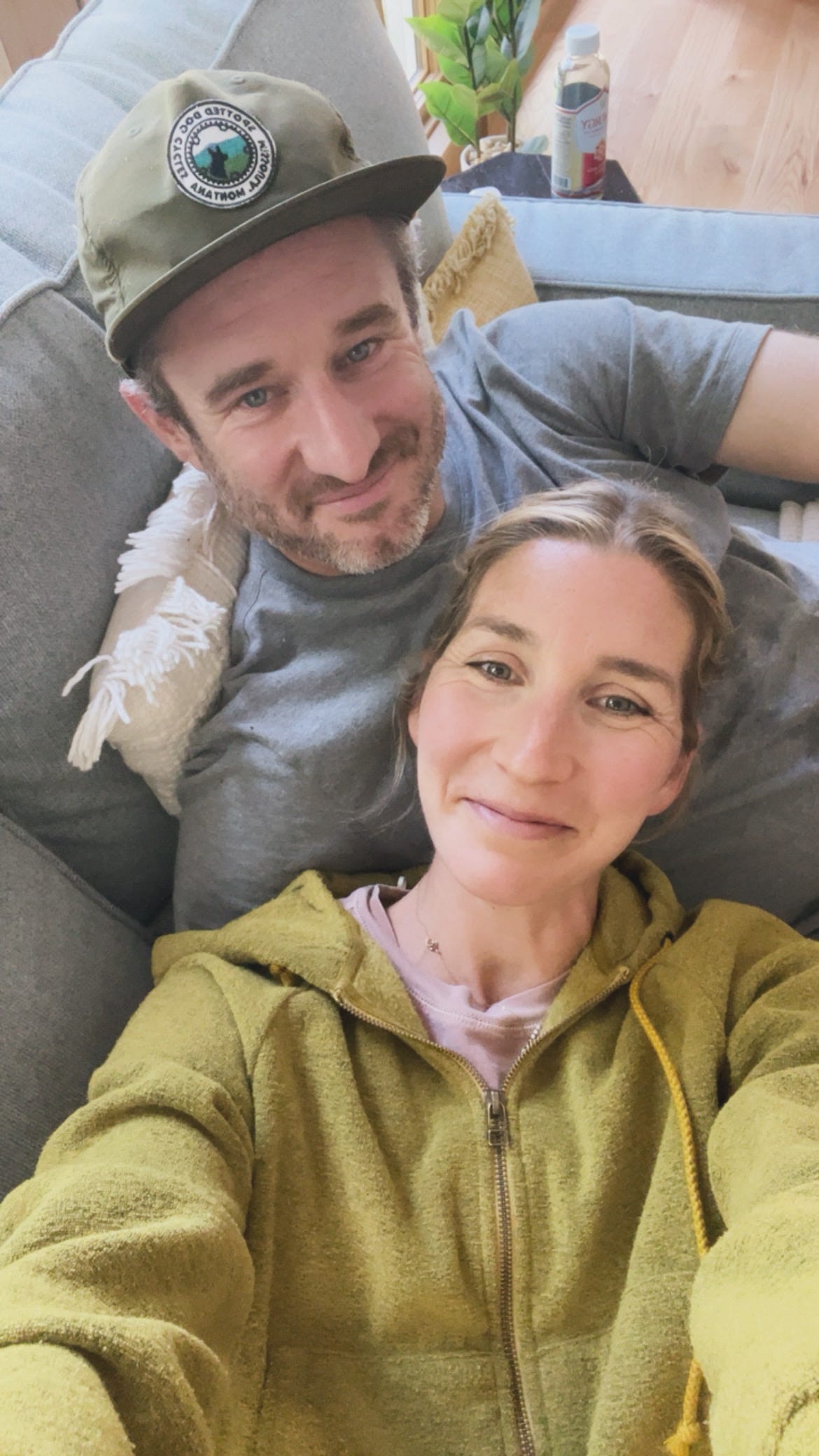
Normally, we (me, Jeb, and the pups) come to Maine for the summer and early fall — roughly July through October. This year, after having my SCAD heart attack and being in the hospital for the first part of July, we had to delay the trip until it was safe for me to fly.
I grew up in Maine and my parents still live here, so a few years ago we decided to get a home here to spend more time with them. We’ve been renovating the house over the past year, so we weren’t just flying here, we were moving all our stuff back into the house. Not exactly low stress.
I won’t get into this today, but after my most recent medical challenges (and how those are complicated by other autoimmune and chronic conditions I’ve had for years), we’re starting to seriously consider what it would feel like to simplify our life and just be in one place.
More to come on this, because we’re actively talking about what that means for us, for the dogs, for our happiness and peace.
All this to say, I’m on the other side of a big trip (and lots of moving pieces), and traveling always reminds me of what it means to lean into body trust, particularly with hunger.
I posted this on social media this week:
If you eat breakfast at 7am, feel hungry at 10am, but push it off until 11:30 because you don’t think you “should” be hungry yet…that’s a sneaky form of restriction.
It’s letting diet culture’s rules about when you’re “allowed” to eat override what your body truly needs.
But the clock doesn’t know you, and your hunger might show up earlier for a thousand big and little reasons.
You don’t need to earn your next meal by waiting long enough.
If you’re hungry, please eat. 🫶🏼
Travel is such a good reminder that hunger doesn’t actually care what time it is.
If you didn’t know what time it was, and could only base your desire for food off of what you’re feeling and experiencing — physically, mentally, emotionally — how would you decide when and whether to eat?
Changing time zones makes this especially obvious. For example, breakfast might happen at a completely different time than it normally does. You might be hungry when you think you “shouldn’t” be. Or you might go hours without noticing hunger because you’re tired, stressed, distracted, or just completely disoriented and out of your normal routine.
And this is where I think body trust gets more nuanced than simply “listen to your hunger and fullness cues.”
Sometimes hunger is clear, and sometimes it isn’t. Yes, we need to respond to what our bodies are telling us. But we often need to use a little outside information, too: It’s been three hours. I’m about to get on a plane. I know I probably won’t have access to food for a while.

Contrary to what we’re often told, this is not failing to listen to your body. It’s actually one of the most radical examples of self-compassion. It’s how we care for ourselves.
Body trust isn’t about requiring your body to give you perfect, unmistakable signals before you’re willing to eat. It’s about learning to respond to the information you have (and remembering that you don’t have to earn your next meal by waiting long enough.)
So, since hunger has been on my mind lately, I pulled together some of my favorite newsletters and Full Plate podcast episodes on the subject.
If you’re working on rebuilding trust with hunger, appetite, or eating enough, there’s so much here to explore.
Some of the resources below are for paid subscribers. Your subscription is what makes it possible for me to keep doing this work independently—writing, researching, recording, and creating without having to build the business around brand influence or someone else’s agenda.
Not a hard sell—just an awkward little window into how this thing works behind the scenes.
Thank you, my friends! ❤️
Newsletters:
Is “Just Eat When You’re Hungry and Stop When You’re Full” Good Advice?
Standing Still in an Ozempic World: Healing in the Midst of Weight Loss Pressure
The Politics of Portions (and Why It’s Okay to Eat More Than Your Partner)
Podcast conversations:
GLP-1s and Disordered Eating: What’s Not Being Talked About with Dr. Rachel Millner
Fibermaxxing, Protein Hysteria, and the Trap of “More Is Better”
The Science of Hunger: “Semi-Starvation” & the Honeymoon Phase of Dieting with Chris Sandel
How Under-Eating Impacts Our Hormones and Long-Term Health with Dr. Nicola Sykes
“GLP-1 Marketing is Scorched Earth”: On Culture, Ethics, and Starvation States with Virgie Tovar
And now I’m off to unpack more bags, do approximately 4 zillion loads of laundry…and figure out where the hell to put everything in the kitchen (why is that such a hard series of decisions?? maybe we need a whole community thread on that next week).'
I’d love to hear from you.
What has helped you learn to trust your hunger?
Have you noticed yourself relying on the clock, meal schedules, or other external rules to decide when you’re “allowed” to eat?
And has travel (or any disruption to your usual routine) ever changed the way you notice or respond to hunger?
Tell me (and all of us!!) in the comments. I always love hearing how this work actually looks in real life, because bodies are wonderfully weird and rarely follow some predetermined syllabus.
PS: don’t forget to like / share this (or any other writing / podcast episodes) that have been helpful for you. It helps others find more body liberation conversations, and that’s what matters.
I sometimes have a lot of worry about hunger and have been trying to think through it recently. I worry about not having an appetite at the right time - IE time to eat lunch but I don’t feel like eating. If I eat when I’m not hungry it usually draws out the problem because then dinner rolls around and, once again, I’m not hungry. But I also feel badly skipping meals. It worries me the most when I have plans with other people because it might seem rude if I don’t eat as much as they expect me to but I also feel uncomfortable eating when I don’t want to. Any guidance or thoughts are appreciated!
Great resources and so helpful for those of us who have placed too much value on rigid eating patterns!