



Hi everyone — I want to take a moment to explain why I’m bringing this particular conversation back from the Full Plate archives.
I've been feeling an enormous amount of anger and grief about what we're witnessing in this country. About the Cornell 7, the Trump administration’s immigration raids and deportation policies, its efforts to dismantle racial equity initiatives, and the ways people in positions of power are protected while others are expected to remain quiet, compliant, and agreeable.
And my brain keeps circling a conversation I had with Savala Nolan about what women are taught it means to be good.
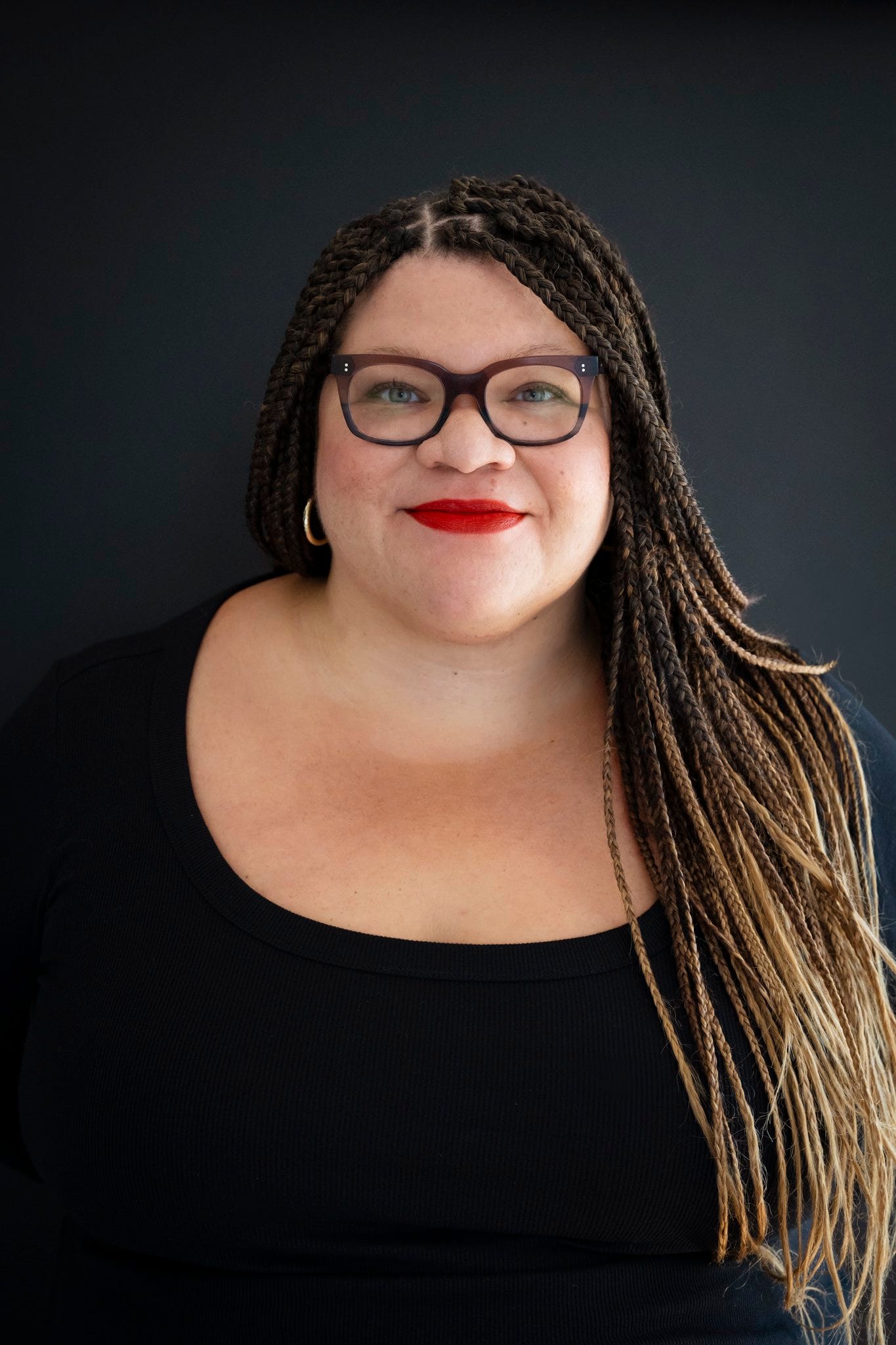
Savala is an essayist, speaker, and teacher whose work explores race, gender, power, and the body., and the author of Good Woman: A Reckoning, which is the book at the center of our conversation. It’s a gorgeous, challenging examination of what it means to be raised to be “good” in a culture that has very oppressive ideas about what goodness looks like for women.
So much of what we’re taught to associate with being good — being agreeable, thin, self-sacrificing, accommodating, desirable, disciplined, and quiet — has almost nothing to do with being a good person.
And the more you interrogate it, the more you realize it’s actually about becoming easier to control by the people and systems around us.
Savala joined me to explore how those expectations show up in our relationships with food and our bodies, including the ways dieting becomes a performance of goodness. We talk about the endless pursuit of self-improvement, the promise that if we follow all the rules we’ll eventually arrive at some better, happier version of ourselves, and what happens when we finally begin to question that promise.
I’m also pretty certain you will never forget the way Savala talks about the body project. She compares it to living in a house that’s constantly under renovation, and what it costs us to spend so much of our lives trying to fix or improve our bodies.
What happens to our relationships, our attention, and our ability to recognize what’s happening in and around us when we’re so consumed by changing our bodies?
We also talk about motherhood, about raising girls who know they’re allowed to resist, and about the discomfort of stepping outside the roles we’ve spent our lives learning to play. And we talk about race, white supremacy, and the ways women (particularly white women) are rewarded for maintaining the status quo.
Towards the end of the conversation, Savala asks us to consider: Where am I being asked not to bear witness? Where am I being encouraged to look away? What am I being asked to excuse, minimize, or remain silent about? And what am I protecting when I do?
I think those are extremely important questions right now, when so much of what’s happening around us demands that we consider the difference between being perceived as good and actually acting in accordance with our values.
This conversation is a reminder that the work of disentangling ourselves from diet culture has never existed in isolation from the rest of the world.
The expectations we inherit about our bodies are connected to much larger expectations about whose comfort matters, who gets to take up space, and what we’re willing to sacrifice in order to belong.
Whether you’re listening for the first time or returning to this episode, I know it will leave you feeling closer to yourself, your truth, and your body. I’m very, very glad you’re here.
Also, you can order Savala’s book, Good Woman: A Reckoning right here. I could not possibly recommend it more.
I’d really love to hear what this conversation brings up for you.
What are some of the things you were taught about being a “good woman” that you’ve started to question or reject?
And especially right now, where are you noticing the pressure to stay quiet, look away, or make yourself agreeable when something doesn’t sit right with you?
As always, you’re welcome to share whatever feels comfortable. I read every comment.


