

I had a body image piece written and planned for today, but it’s going on the back burner. Given what’s happening with the latest budget proposal—and what it will mean for food access, nutrition, and long-term health—I needed to write this one instead.
I’m also making this one free for everyone, because I think it needs to reach as many people as possible. If this newsletter and the podcast have been useful to you, please consider upgrading to a paid subscription—that’s genuinely what keeps this going.
Okay. Let’s get into it, friends. xoxo
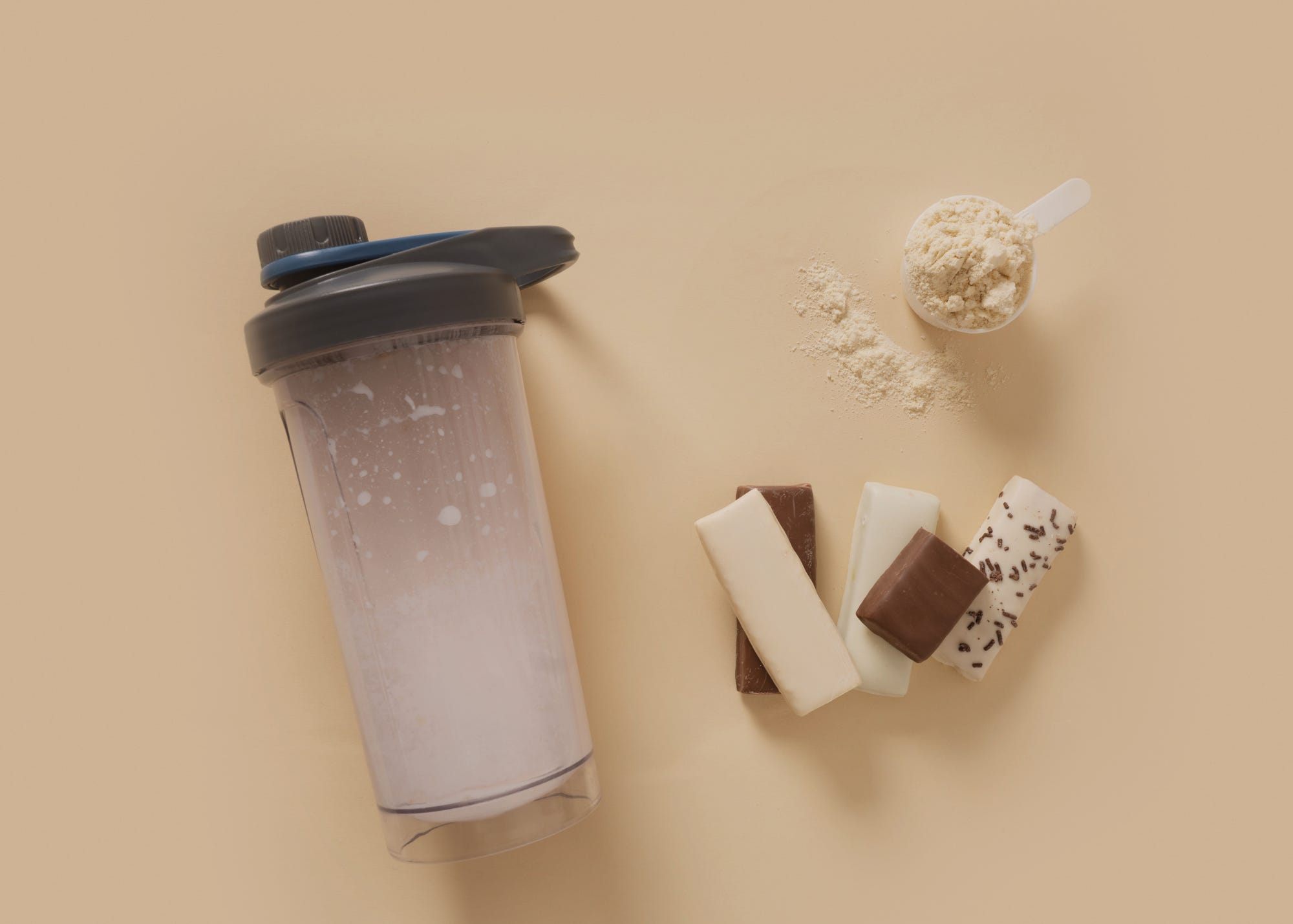
We are, as a culture, deeply worried about protein. Deeply. Tub-of-powder, track-your-macros, is-there-protein-in-this worried. And somehow, in the same breath, we’re debating cutting the programs that help people afford food at all.
The people who are actually at risk of protein deficiency are those without reliable access to food. Read that again.
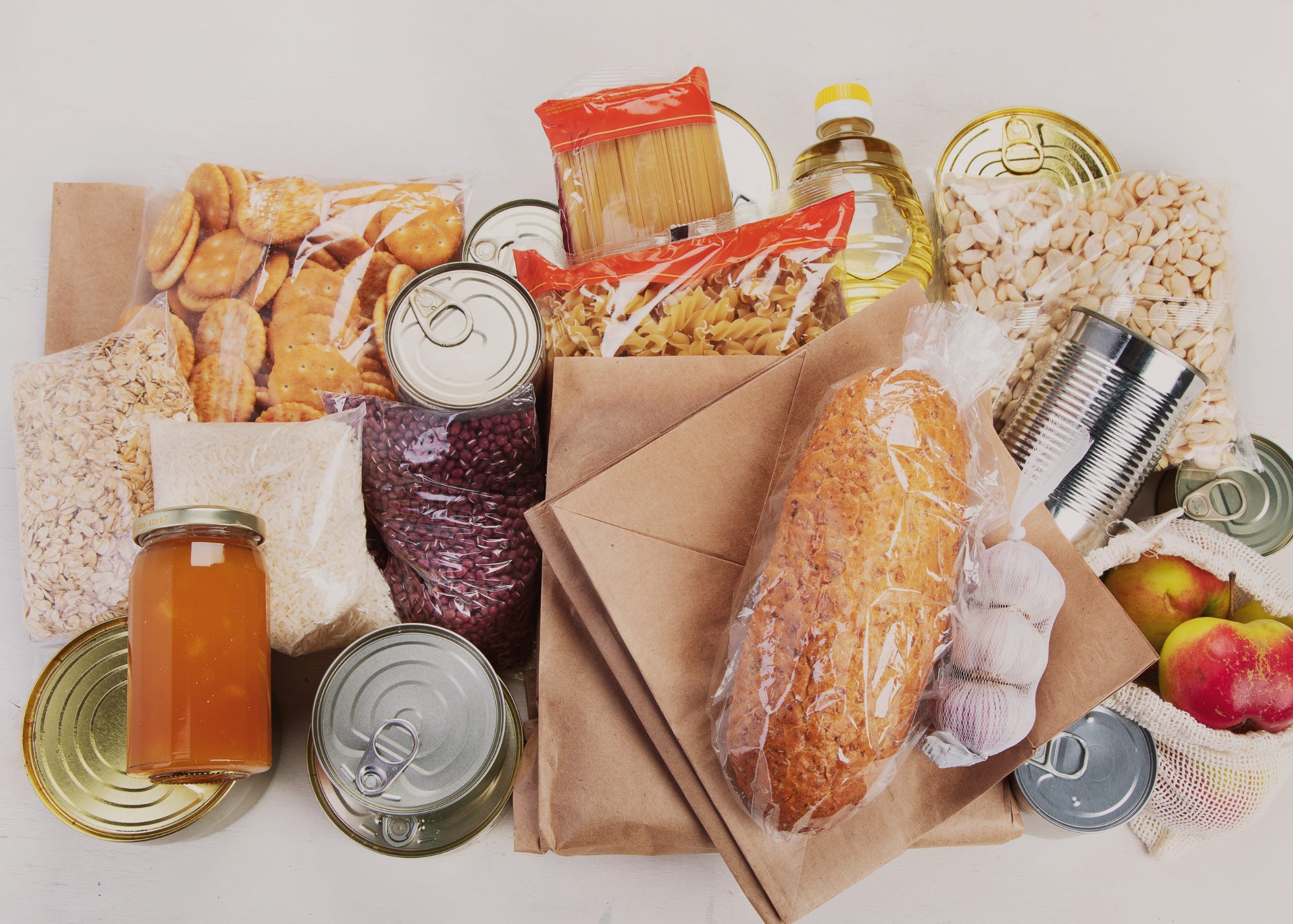
When we eat enough, we usually get enough protein. No powders, no hacks, no optimization required. And yet, here we are—scrolling past $60 tubs of protein powder while proposals are on the table to cut billions from programs like SNAP and WIC, the very programs that help people afford actual food.
Because this is the part we don’t talk about enough: you cannot separate nutrition from access. You cannot lecture people about “eating better” while making it harder for them to eat at all.
These proposed cuts don't just live in metaphorical spreadsheets, they translate to real lives and real health outcomes. They show up in kitchens, in lunchboxes, in the background calculations families make every single day—what will stretch, what gets skipped, whether there will be enough. They show up in the bodies of kids who lose access to summer meals, in pregnant and postpartum people trying to nourish themselves on shrinking support, and in older adults whose monthly food boxes quietly disappear.
And they show up in something I see every day in my work: the relationship people have with food.
When access to food is inconsistent, food can’t feel “neutral” or “intuitive,” because it doesn’t feel safe. Research has consistently shown that food insecurity is associated with higher rates of disordered eating behaviors, including binge eating and restriction, not because people are “failing” or have a “problem” with sugar, but because the body is trying to adapt to unpredictability. When food is scarce, the brain and body become more vigilant around it. And while diet culture frames this as pathology, it’s actually about survival.
Food insecurity is also linked to increased stress, anxiety, and depression, all of which shape how someone relates to food and their body. It’s hard to build trust with your hunger when you’ve had to ignore it. It’s hard to feel at peace with food when it has, at times, been out of reach.
So if we actually care about nutrition—about chronic disease, kids’ health, eating disorders, and HECK, even about protein—then this has to be part of the conversation.
“Just eat better” is not a public health strategy, and it certainly isn’t a compassionate one. And right now, there are families making impossible trade-offs just to get through the week—that’s the gap between the optimization conversation and the access conversation, and it’s not a small one.
If we want to talk about nourishment in any meaningful way, the focus has to shift away from individual foods and toward collective access. Not more rules or more supplements, but more food. More stability. More dignity. Because nourishment was never meant to be something you have to earn or hustle for. It’s something everyone deserves.
And to the protein influencers—you’re going to keep talking about protein. But if you’re going to be loud about it, please be louder about this:
the people who don’t have enough food to meet their basic needs.
the policies that make nourishment harder to access.
the reality that no amount of protein matters if someone can’t afford to eat consistently in the first place.
In the meantime, I’ll keep reminding everyone that eating enough (with consistent and shame-free access to food) tends to result in getting enough protein.
This one felt important to write. If it resonated — or if you push back on any of it — I’d genuinely love to know. Comments are open.


One more time for the people in the back!! Ugh this paradox is one I could talk about all day… (and maybe scream from a roof top). it’s so wild the discrepancies and disillusioned messaging/legislation that is occurring. Thank you for continuing to talk about this, very real, reality Abby🙏🏼💕
All of this. Such a helpful reminder. Thanks.